Share
Share
Why Ultra-Luxury Beachfront Homes Make Up Less Than 4% of Dubai's Market, Yet Drive the Highest Appreciation
In a city renowned for architectural ambition and rapid growth, one segment stands apart from all others: ultra-luxury beachfront real estate. Despite representing less than 4% of Dubai's total residential supply, these properties consistently deliver the highest appreciation rates in the market, outperforming virtually every other asset class in the emirate.
This scarcity-backed performance is not coincidental. It reflects a fundamental economic truth: when finite supply meets accelerating demand from the world's wealthiest individuals, exceptional value creation follows.
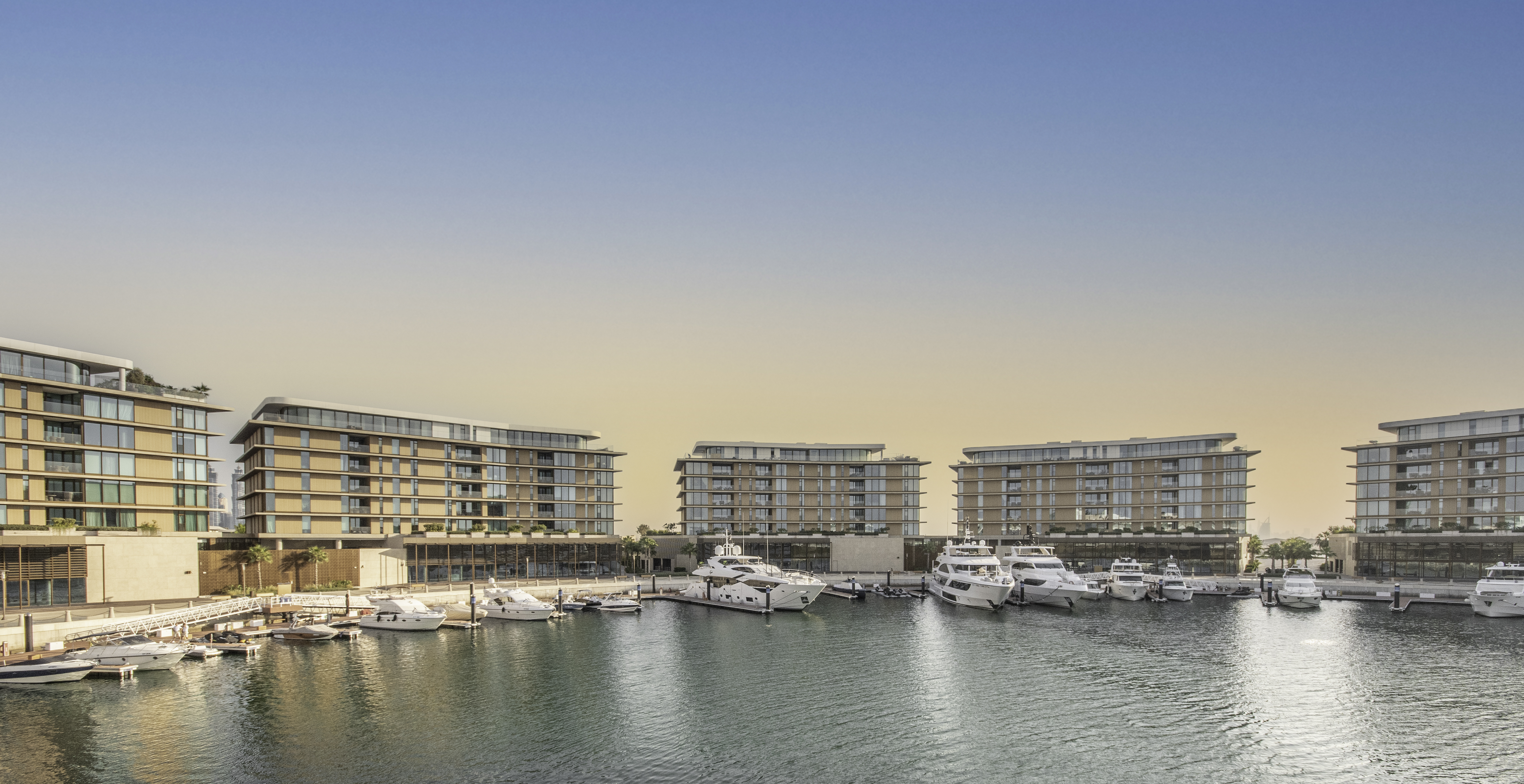
The Scarcity Principle: Understanding the 4% Phenomenon
Dubai boasts over 800,000 ready residential units, with more than 1.3 million properties when including the development pipeline. Yet within this vast inventory, only 4% are located in genuine beachfront areas. When filtering further for ultra-luxury properties priced above 10 million dirhams, the pool shrinks to near insignificance.
This structural scarcity is permanent. Dubai's coastline is finite, and the city's master plans prioritize premium offerings for prime beachfront areas. Unlike inland developments where new supply can emerge in nearby districts, beachfront locations are inherently limited by geography.
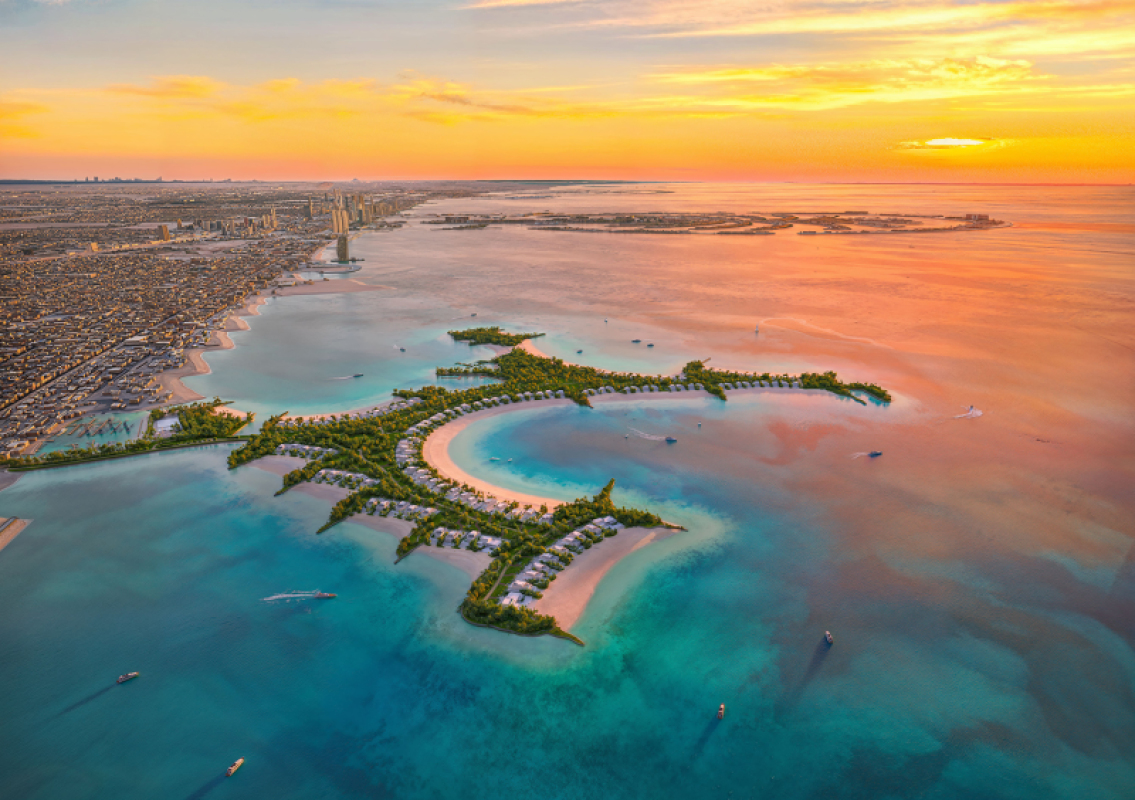
The numbers tell a compelling story. Across Dubai's beachfront ultra-luxury segment over the past five years, appreciation has been extraordinary. Jumeirah Bay Island recorded gains of 151%, while Marsa Al Arab saw prices surge by 200%. Palm Jumeirah, the city's most established luxury island, appreciated 147%, and Bluewaters Bay climbed 159%. (Sources by Morgan’s Private Office Studies)
These figures are not isolated outliers. They represent consistent performance across every major beachfront enclave, driven by unchanging fundamentals: limited land, global demand, and trophy asset dynamics.
The Millionaire Migration That Changed Everything
Dubai's transformation into a global wealth hub has been nothing short of remarkable. The city is now home to 81,200 millionaires, including 237 individuals with liquid wealth exceeding 100 million dollars and 20 billionaires. More striking still is the velocity of this growth: Dubai recorded a 102% increase in its millionaire population between 2014 and 2024, making it the fastest-rising wealth hub among the world's top 50 cities.
This surge is projected to continue. By 2028, Dubai is expected to host 109,000 millionaires, adding approximately 7,000 high-net-worth individuals annually. Meanwhile, ultra-luxury residential supply stands at just 8,400 units when combining ready and under-construction inventory.
The mathematics are straightforward: with 13 millionaires per ultra-luxury unit today, and this ratio barely moving even after all planned inventory is delivered, structural undersupply defines the market. Even as thousands of new millionaires arrive each year, the supply of properties worthy of their capital remains constrained.
This demand is not speculative. According to market analysis, over half of all residential transactions involve international buyers, drawn by zero income tax, zero capital gains tax, long-term residency programs like the Golden Visa, and political stability that rivals any global city.
Why Beachfront Commands the Premium
Luxury waterfront apartments, particularly in areas like Palm Jumeirah, generate annual rental yields between 5.5% and 7%, with short-term holiday rentals often delivering even higher returns during peak tourist seasons. But rental income is only part of the equation. The true value proposition lies in capital appreciation driven by factors that remain constant regardless of market cycles.
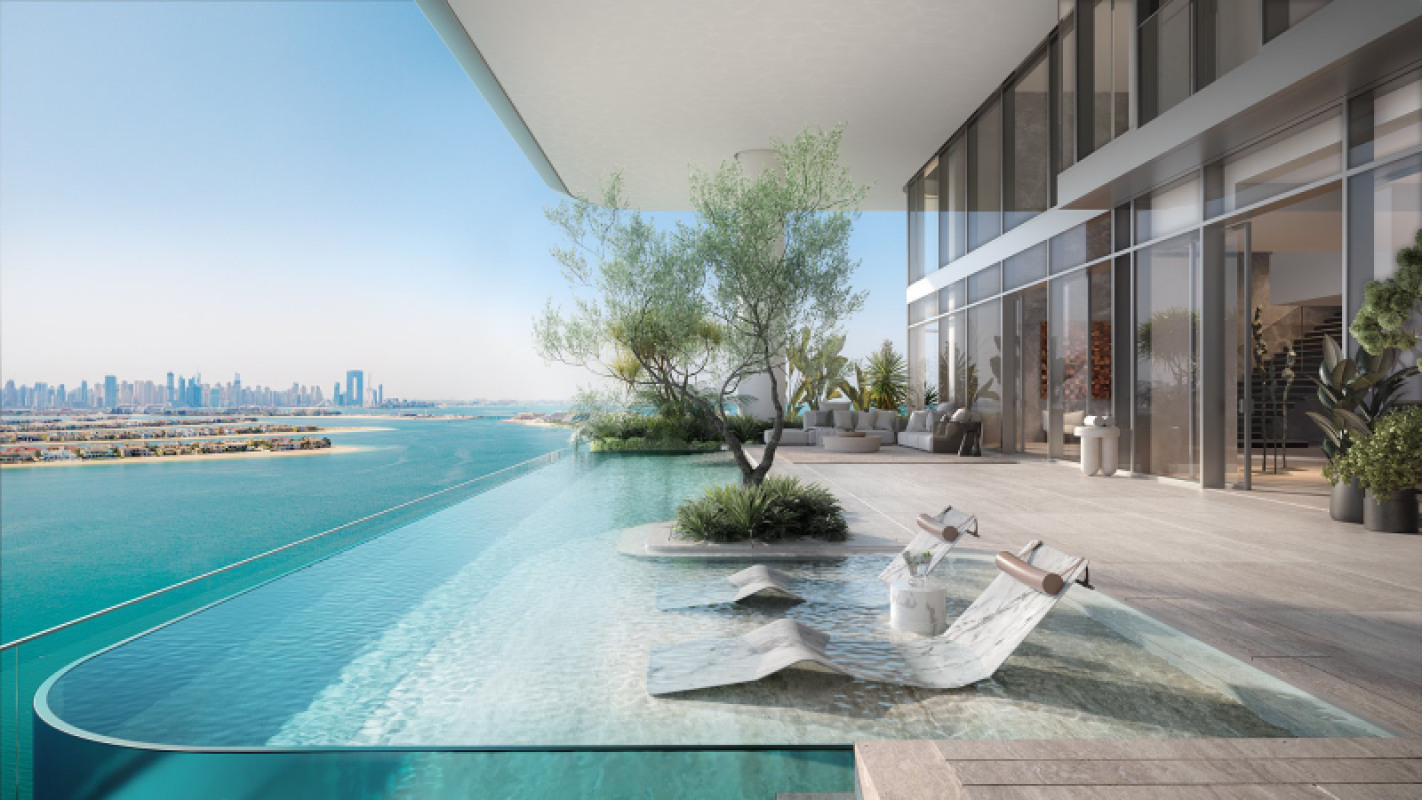
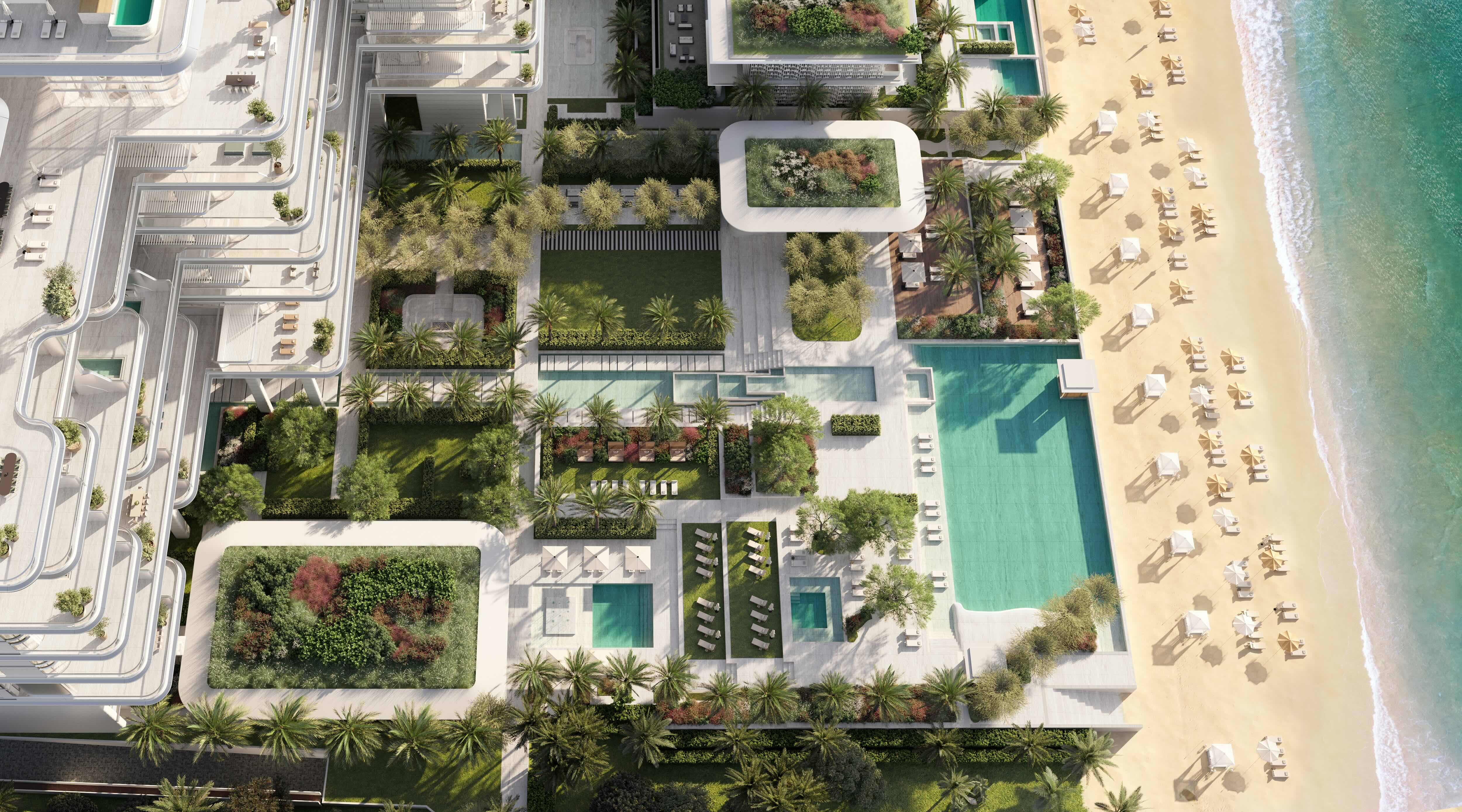
First is lifestyle demand. For the ultra-wealthy, beachfront living represents the pinnacle of luxury. Private beach access, unobstructed water views, and proximity to world-class amenities create an irreplaceable living experience. These properties are not merely homes; they are statements of achievement and repositories of wealth.
Second is the global nature of the buyer pool. Dubai attracts high-net-worth individuals from Europe, Russia, India, China, and the Middle East. Each group brings different motivations but shares a common preference for beachfront assets that combine luxury with liquidity. Waterfront properties saw a 33% increase in buyer interest between 2023 and 2024, reflecting growing recognition of this asset class's unique characteristics.
Third is brand concentration. Unlike mid-market segments where competition is fierce, ultra-luxury beachfront development is dominated by a small number of world-renowned brands and developers. This creates natural pricing discipline and quality assurance, protecting asset values even during broader market corrections.
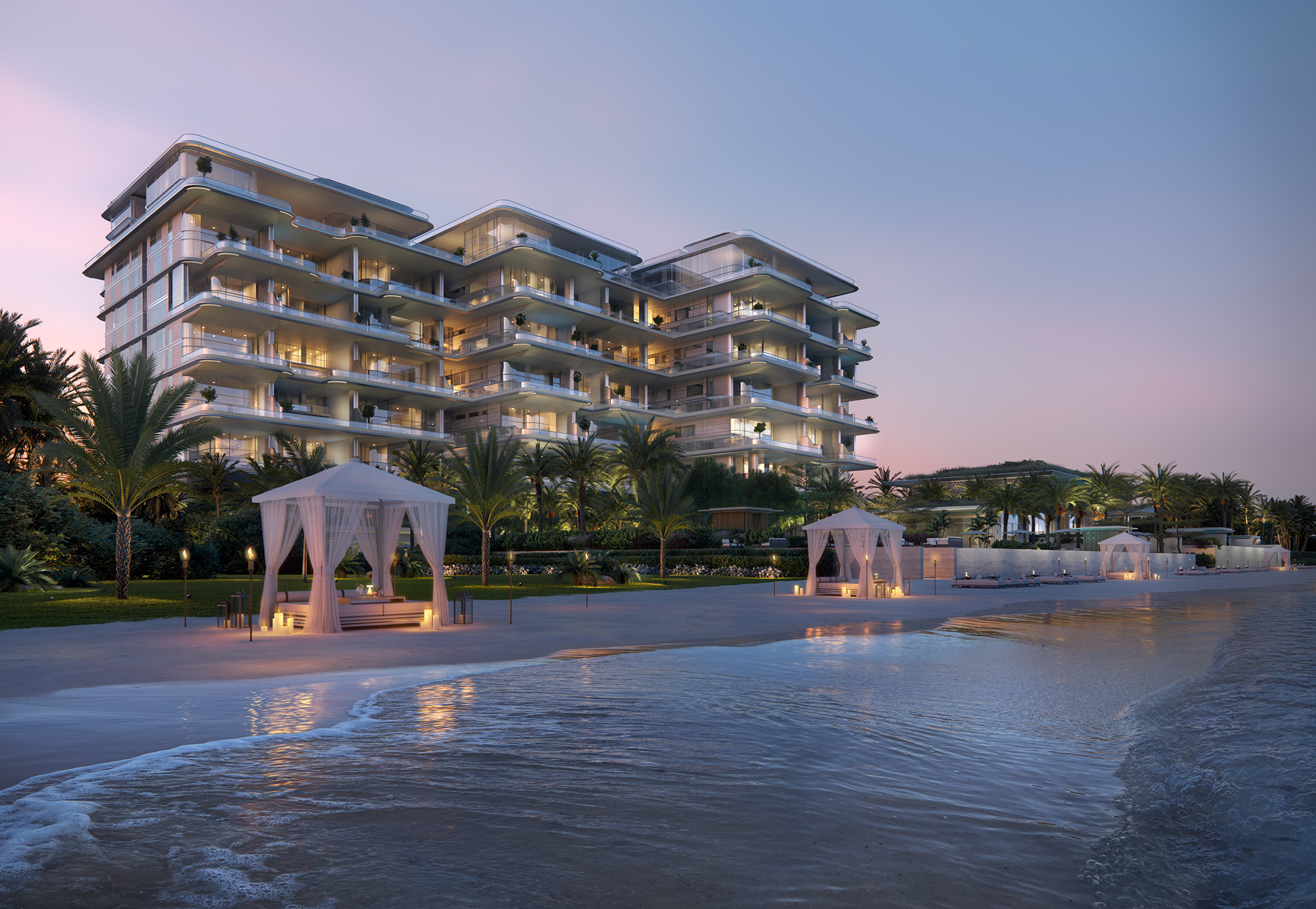
The Cluster Effect: How Brand Concentration Drives Value
One notable trend in Dubai's ultra-luxury beachfront market is the emergence of exclusive clusters where world-renowned brands concentrate in specific districts. These enclaves create self-reinforcing value cycles where each branded residence enhances the prestige and desirability of its neighbors.
Historical precedent demonstrates this effect clearly. When Bluewaters Island launched, initial pricing was conservative relative to established areas like Palm Jumeirah. As the island matured and brand recognition grew, values climbed rapidly, ultimately delivering the 159% appreciation observed over five years. This pattern repeats across Dubai's premium waterfront developments. Brand concentration creates natural barriers to entry, ensures quality control, and attracts end-users rather than speculators. The result is more stable pricing during market corrections and stronger appreciation during growth cycles.
For investors, understanding which emerging clusters are in early development phases can provide opportunities to enter before full price discovery occurs. Once these enclaves mature and occupancy increases, pricing typically converges with established luxury areas, driving substantial appreciation for early participants.
Conclusion: The 4% That Matters Most
In Dubai's vast and dynamic real estate market, ultra-luxury beachfront properties occupy a unique position. Their scarcity is structural, their demand is global, and their performance has been exceptional.
For investors seeking assets that combine lifestyle appeal with appreciation potential, this segment deserves serious consideration. The fundamentals that have driven 150% to 200% gains over the past five years remain intact: finite coastline, expanding wealth, brand discipline, and trophy asset dynamics.
As Dubai continues its ascent as a global wealth capital, the 4% of properties that touch the sea will likely remain the most coveted, most valuable, and most resilient assets in the market.
Request the full study from Morgan's Private Office
Frequently Asked Questions
Related Posts